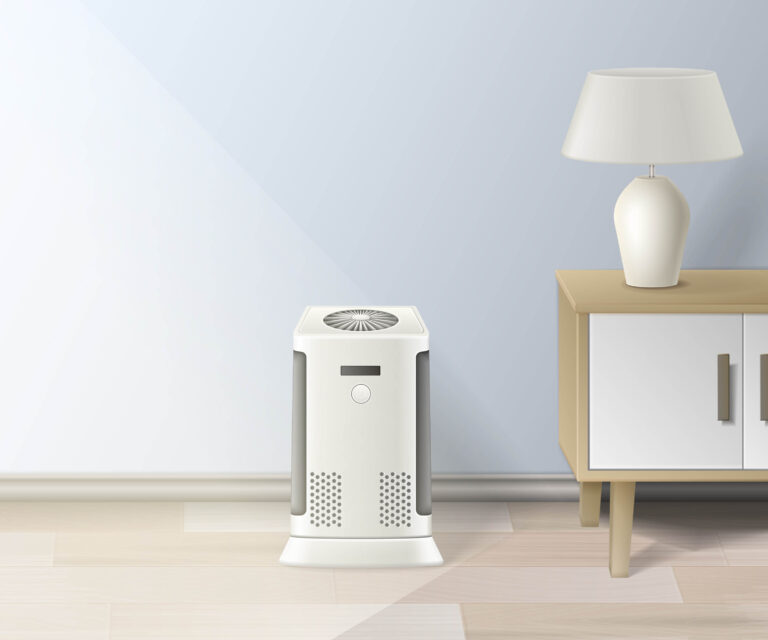
Are you breathing clean air in your home or office? Chances are, you’re not. With indoor air pollution levels rising and new allergens and pollutants becoming a daily threat, investing in a high-quality best air purifier isn’t just smart—it’s essential. In this ultimate 2025 guide to the best air purifiers, we break down everything you need to know before buying one. Whether you’re a pet parent, suffer from allergies, or just want to breathe cleaner air, this guide has got you covered. Let’s dive in.
Introduction to Best Air Purifiers
Why You Need an Air Purifier in 2025
The air you breathe indoors might be more polluted than the air outside—no joke. From dust mites and pollen to smoke, mold spores, and pet dander, invisible threats are lurking in every room. And let’s not forget VOCs (volatile organic compounds) that sneak in from household cleaning products, paints, and synthetic materials. In 2025, with increased urbanization, climate-driven wildfire smoke, and longer allergy seasons, a reliable air purifier isn’t just a luxury—it’s a necessity.
Imagine waking up feeling refreshed, with fewer allergy flare-ups or asthma attacks. That’s the kind of lifestyle an air purifier can provide. And for parents? Knowing your child is breathing clean, purified air while playing in their room offers peace of mind money can’t buy.
Also, let’s talk about the elephant in the room—COVID-19 and other airborne viruses. While no air purifier can guarantee virus removal, certain HEPA-equipped models do help capture airborne particles that carry viruses, making them a crucial layer of protection in homes and offices.
How Air Purifiers Work
In simple terms, an air purifier sucks in dirty air, filters out pollutants, and pushes clean air back into your space. Think of it as a superpowered fan that’s trained to trap dust, smoke, allergens, and harmful particles.
Most purifiers use a multi-stage filtration system:
- Pre-filter: Captures large particles like hair and dust.
- HEPA filter: Traps 99.97% of particles as small as 0.3 microns (like pollen, pet dander, and smoke).
- Activated carbon filter: Absorbs odors, VOCs, and chemical fumes.
- UV-C light or ionizers (optional): Target bacteria and viruses, though their effectiveness can vary.
Some models even feature real-time air quality sensors and smart controls that adjust performance automatically. It’s tech-meets-health at its finest.
10 Best Air Purifiers of 2025 – Expert Picks
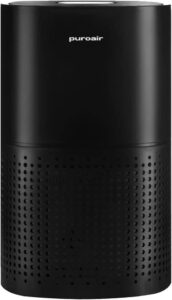
Enjoy cleaner air in minutes with the PuroAir purifier, featuring a 3-stage filtration system (pre-filter, HEPA, and activated carbon) that removes 99.9% of allergens, dust, smoke, pet dander, and VOCs.
Certified by CARB, ETL, ISO, UL, and Energy Star, it operates quietly with smart sensors and sleep mode—perfect for 24/7 use in bedrooms or living spaces. Touch controls, compact design (8.5″ x 14.25″), and a 2-year risk-free warranty make it a top choice for allergy relief and fresh air.
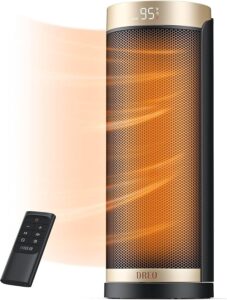
This powerful Dreo tower heater offers fast and quiet heating with 1500W PTC ceramic technology, ideal for rooms up to 200 sq. ft. It features a digital display, adjustable thermostat (41–95°F), remote control, and 70° oscillation for even heat distribution.
Safety is top-notch with ETL certification, tip-over & overheat protection, and auto shut-off. Energy-efficient ECO mode adjusts power usage to maintain your preferred temperature. Compact, lightweight (4.63 lbs), and easy to move with a 6-ft power cord and hidden handle.
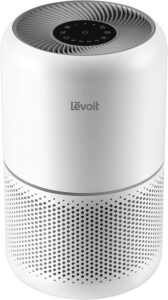
The LEVOIT Core 300-P delivers powerful air purification for spaces up to 1,074 sq ft with a 3-in-1 HEPA-grade filter system. AHAM, ETL, EPA, and CARB certified, it removes 99.97% of airborne particles like pollen, dust, and pet dander.
Features include a quiet Sleep Mode (24dB), touch controls, and multiple replacement filter options for toxins, smoke, and pet allergies. Compact and lightweight (8.7″ x 14.2″, 7.9 lbs), it’s ideal for home or office use
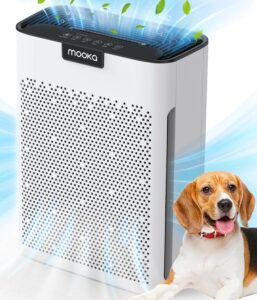
Designed with large dual air inlets, this MOOKA purifier efficiently cleans up to 2200 sq ft, targeting pet hair, odors, pollen, and dust. It features a washable 3-stage HEPA filter, quiet 20dB sleep mode, 4 fan speeds, and a 4-timer setting.
Includes an essential oil diffuser for aromatherapy and a child lock for safety. Certified by CARB, ETL, DOE, and FCC with no ozone or UV light. Filter replacement reminders help maintain optimal performance.
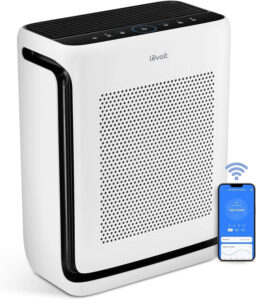
This LEVOIT air purifier is AHAM and CARB certified, designed for allergy sufferers and large spaces. It features a 3-stage HEPA filtration system with 99.97% efficiency for particles as small as 0.1 microns, including pollen, dust, and pet dander.
With dual air inlets for better pet hair and odor capture, it covers rooms up to 1878 sq ft. Includes a smart Sleep Mode that adjusts fan speed automatically for quiet, effective purification. Controlled via app for convenience.
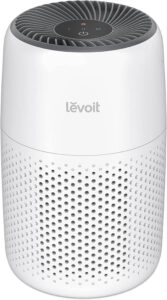
This small yet powerful air purifier features a 3-in-1 filter system (pre-filter, HEPA, activated carbon) to remove lint, pet dander, smoke, and odors. Ideal for bedrooms, kitchens, or offices, it includes auto-off for sleep and supports aromatherapy.
ETL certified, lightweight (2.2 lbs), and easy to control via touch. Use genuine Levoit filters for best performance.
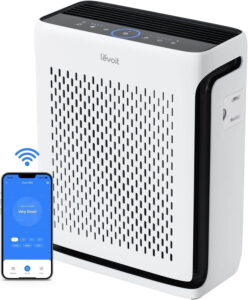
The white LEVOIT Vital 100S-P Air Purifier is an AHAM and CARB certified solution for a healthier home. This compact unit (12.64″D x 6.3″W x 16.02″H, 8.6 lbs) efficiently cleans air, covering 1074 sq ft once per hour or 222 sq ft 4.8 times per hour.
Designed with pet owners in mind, it features a Pet Mode and a U-shaped inlet to capture fur and large particles. Its 3-stage filtration system, including a washable pre-filter and activated carbon filter, captures 99.97% of 0.1-0.3μm particles, like allergens and odors.
Smart features like app control, HEPA Sleep Mode (auto-dims lights and quiets fans), and customizable schedules make achieving cleaner air effortless.
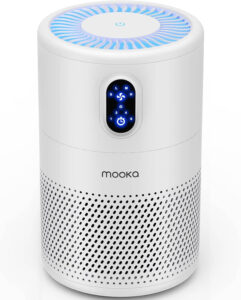
The MOOKA B-D02L Air Purifier in white offers powerful and quiet air purification for a variety of spaces. Measuring 7.1″D x 7.1″W x 11.1″H and weighing 3.6 lbs, this corded electric unit is designed to cover a significant 1076 sq ft area with one air change per hour, or provide six air changes per hour in a 215 sq ft room.
Its H13 True HEPA filter system, which includes a pre-filter and activated carbon filter, efficiently captures pet hair, dander, smoke, odors, and dust, while also removing airborne contaminants as small as 0.3 microns. Thanks to a new brushless motor, it operates at an ultra-quiet 20 dB, ensuring it won’t disturb your work, study, or sleep, all while being energy-saving.
For added convenience, it features a child lock, four timer settings (1H/2H/4H/8H), four fan modes (Sleep/Low/Med/High), and a soft night light that can be turned on or off. The filter should be replaced every 3-6 months.
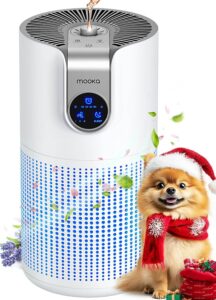
The MOOKA M03 Air Purifier in white is a highly capable and certified (CARB, DOE, CE, ETL, FCC) solution for comprehensive home air purification. This compact unit (7.7″D x 7.7″W x 16.9″H, 4.03 lbs) efficiently purifies up to 1500 sq ft, rapidly cleaning a 400 sq ft room in just 15 minutes with its 360-degree inlet and H13 True HEPA filter. It effectively captures smoke, pet dander, odors, and particles as small as 0.3 microns.
Beyond powerful filtration, the M03 offers aromatherapy, four fan speeds (including a 15dB Sleep Mode), timer settings, a child lock, and an optional night light. A filter replacement indicator ensures optimal performance. MOOKA provides a 2-year replacement guarantee, recommending genuine MOOKA filters for best results.
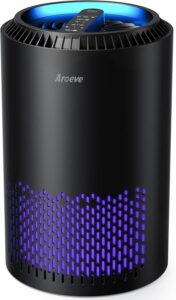
The AROEVE Air Purifier in black is a compact and efficient solution for improving indoor air quality. Measuring 6.1″D x 6.1″W x 9.7″H and weighing just 3 pounds, this ETL Certified unit is designed to refresh the air up to 5 times per hour in rooms as large as 287 sq ft using dual-channel and 360-degree air inlets. It effectively filters out particles like smoke, pollen, dander, and hair.
For peaceful environments, its sleep mode operates at a quiet 22 dB. An integrated aroma pad allows for diffusing essential oils, while a red indicator light reminds you when to replace the filter (recommended every 3-6 months). Note: This 120V unit is for use in the United States only.
Top Benefits of Using Best Air Purifier
Improved Indoor Air Quality
Let’s get real: you spend nearly 90% of your time indoors. And while the couch and TV are comforting, the air you breathe might not be. Best Air purifiers significantly boost indoor air quality by eliminating the microscopic troublemakers you can’t see but definitely feel—like dust, smoke, mold spores, and airborne bacteria.
An air purifier continuously filters and recycles air, keeping it fresh 24/7. This results in fewer colds, improved concentration, and better sleep. You’ll notice fewer sneezes, less coughing, and a lighter atmosphere—literally.
Relief from Allergies and Asthma
If you suffer from allergies or asthma, an air purifier is like your personal superhero. It combats allergens like pollen, pet hair, and dust mites before they get a chance to ruin your day. HEPA filters, in particular, are known for their allergy-fighting abilities.
Imagine no more itchy eyes during spring or wheezing fits after cleaning. That’s the kind of relief the right purifier can offer. Parents with kids who have respiratory issues often notice a drastic improvement in their child’s symptoms after installing a purifier.
And if you’re dealing with seasonal allergies, best air purifiers help filter pollen and other triggers that sneak indoors, making them an absolute must-have.
Eliminating Harmful Chemicals and Smoke
Besides allergens, the average household is loaded with invisible pollutants. Think cooking smoke, wildfire particles, car exhaust, and fumes from cleaning products or paint. Prolonged exposure to these can cause headaches, fatigue, or even serious respiratory conditions.
Best Air purifiers with activated carbon filters absorb these chemical odors and VOCs like a sponge. Whether you’re a smoker, live near a busy road, or just renovated your home, you’ll instantly notice cleaner-smelling and healthier air.
Smoke from wildfires, in particular, has become a major concern in recent years. The microscopic particles in smoke can penetrate deep into your lungs. A good air purifier acts like a protective shield, filtering these particles and improving your home’s overall safety.
Key Features to Look for in an Air Purifier
HEPA Filters
This is non-negotiable. HEPA (High Efficiency Particulate Air) filters are the gold standard when it comes to filtration. They’re designed to trap at least 99.97% of particles 0.3 microns in size—which includes pollen, dust, pet dander, and even some bacteria.
But not all HEPA filters are created equal. Look for True HEPA, not “HEPA-type” or “HEPA-like.” The imposters may not meet industry standards. Also, consider how often the filter needs replacement and if it’s easy to access and install.
CADR Ratings
CADR (Clean Air Delivery Rate) is a crucial number that tells you how quickly an air purifier can clean the air in a room. The higher the CADR, the faster it works. It’s usually listed in three categories:
- Smoke
- Pollen
- Dust
For example, a purifier with a smoke CADR of 300 is excellent for larger rooms. Always match the CADR to your room size for the best results.
Noise Levels and Energy Consumption
Nobody wants a machine that sounds like a jet engine. Check the decibel (dB) ratings before you buy—anything under 50 dB is considered quiet, and under 30 dB is whisper-silent.
Also, keep an eye on the purifier’s Energy Star certification. Energy-efficient models save you money on power bills and are better for the environment.
Smart Features and App Control
It’s 2025—your best air purifier should be just as smart as your phone. Top-tier models now offer app connectivity, real-time air quality monitoring, voice assistant integration (Alexa, Google Assistant), and automated schedules.
These smart features make it easier to track air quality trends and control your purifier from anywhere. Some even give push notifications when it’s time to change your filter!
How to Choose the Right Air Purifier for Your Needs
Room Size Considerations
One of the biggest mistakes people make? Buying the wrong-sized purifier. You wouldn’t use a mini fridge to host a party, right? Same logic applies here. Each air purifier is rated for a certain coverage area—measured in square feet—and using one that’s too small means you’re barely making a dent in air quality.
Start by measuring your room (length x width = square footage). Choose a purifier that can handle at least that size, if not a bit more for efficiency. If you have an open-concept space or high ceilings, go even higher.
Smaller rooms (bedrooms, nurseries): Aim for 150–300 sq. ft.
Medium rooms (home offices, large bedrooms): 300–500 sq. ft.
Large rooms (living rooms, basements): 500+ sq. ft.
Always check the CADR (Clean Air Delivery Rate) too. A higher CADR means faster air cleaning.
Specific Concerns (Allergies, Pets, Smoke, VOCs)
Different problems require different solutions. Here’s how to tailor your choice:
- Allergies: Go for a model with a True HEPA filter and high CADR ratings for dust, pollen, and pet dander.
- Pets: Look for additional carbon filtration to handle odors, plus pre-filters to catch hair and dander.
- Smoke & Wildfire Areas: Choose purifiers with strong HEPA + activated carbon filters. High CADR for smoke is a must.
- Chemical Sensitivity (VOCs): Activated carbon filters are crucial. Avoid models with ionizers or ozone generators if you’re sensitive.
Also, if you want set-it-and-forget-it convenience, consider smart features like auto-mode, air quality sensors, and app control.
Maintenance and Longevity
How Often to Change Filters
Let’s talk about something a lot of people ignore—filter replacement. You could buy the most high-end best air purifier on the market, but if you don’t change the filters when needed, it’s like running a car with no oil. Useless.
So, how often should you change them? It depends on the type and your usage:
- Pre-filters: Every 30 days (can often be washed and reused)
- HEPA filters: Every 6 to 12 months
- Carbon filters: Every 3 to 6 months
- Permanent filters: These should still be cleaned monthly even if labeled “permanent”
Some purifiers come with filter change indicators—super handy. But if yours doesn’t, mark your calendar or set reminders. Also, dusty environments or heavy usage (like wildfire season) can shorten your filter’s life, so check them often.
Keep in mind: running a purifier with a clogged or dirty filter not only reduces efficiency but can also push trapped pollutants back into the air. Yuck, right?
Cleaning and Storage Tips
A little maintenance goes a long way in keeping your purifier running like new. Here’s how to care for it:
- Weekly Dusting: Wipe the exterior and intake grills with a damp cloth.
- Monthly Filter Check: Especially if you live with pets, smokers, or allergens.
- Clean the Sensor: If your purifier has an air quality sensor, clean it with a cotton swab every couple of months.
- Storage Tips: If you’re not using your purifier for an extended period (say, during winter), remove the filters, seal them in plastic, and store the device in a cool, dry place.
Proper care will extend your purifier’s lifespan, help maintain high performance, and prevent unwanted odors.
Common Mistakes to Avoid When Buying an Air Purifier
Let’s save you from some rookie mistakes, shall we? Buying the wrong purifier can be a waste of money and a missed opportunity for healthier living. Here’s what to avoid:
1. Ignoring Room Size
We’ve said it before but it bears repeating: buying a purifier for a 500 sq. ft. room when it’s only rated for 150 sq. ft. won’t do much. Match the specs with your room size.
2. Choosing Cheap “HEPA-like” Filters
True HEPA filters are what you want. Anything labeled “HEPA-type” or “HEPA-style” is not up to standard. They trap fewer particles and aren’t worth the savings.
3. Overlooking Noise Levels
Some purifiers are loud enough to wake the dead. Always check decibel ratings. For bedrooms and nurseries, go for 30 dB or below for peaceful sleep.
4. Skipping Carbon Filters
If odors, chemicals, or smoke are concerns, you need a carbon filter. Don’t just settle for HEPA.
5. Ignoring Maintenance Costs
Always check the price and availability of replacement filters. Some brands sell cheap purifiers but expensive filters. That adds up over time.
6. Falling for Gimmicks
Ionizers and ozone-generators sound fancy but can sometimes do more harm than good—especially if you have respiratory issues.
Being aware of these traps ensures that your purchase improves your indoor air quality, rather than becoming an expensive paperweight.
Frequently Asked Questions About Best Air Purifiers
1. Do air purifiers help with COVID-19?
Best Air purifiers can help reduce airborne contaminants, including particles that may carry viruses. However, they’re not a replacement for masks, vaccination, or ventilation. Look for HEPA filters and avoid ozone-producing models.
2. How long should I run my air purifier each day?
Ideally, 24/7. Most modern purifiers are energy efficient enough to run constantly. If not all day, aim for at least 12–16 hours, especially during allergy season or poor air quality days.
3. Can air purifiers remove mold?
Air purifiers won’t kill mold on surfaces, but HEPA filters can capture airborne mold spores and prevent them from spreading. Use in combination with dehumidifiers for best results.
4. Where should I place my air purifier?
Place it in the room where you spend the most time—typically the bedroom or living room. Keep it away from walls and furniture for optimal airflow, and don’t place it behind curtains.
5. Can I use an air purifier with open windows?
You can, but it’s not ideal. Open windows let outdoor pollutants in, forcing your purifier to work harder. For best performance, keep windows and doors closed when the purifier is on.
Conclusion: Making the Right Choice for Clean Air
In 2025, the question isn’t if you need best air purifier—it’s which one should you get. Between rising air pollution, allergy spikes, and health concerns like smoke and VOCs, the need for purified air has never been greater.
Whether you’re after smart features, quiet performance, budget-friendly pricing, or serious allergy relief, there’s an air purifier tailored to your needs. Just remember: focus on filter quality (True HEPA is a must), consider your room size, and don’t overlook maintenance.
Breathe easier, sleep better, and protect your health—all with the push of a button. Clean air isn’t a luxury anymore. It’s a necessity. Invest wisely and you’ll thank yourself every single day.
FAQs
1. Are air purifiers safe to use all night?
Yes, and it’s actually recommended. Running your air purifier overnight ensures continuous air filtration, improving sleep and reducing morning allergy symptoms.
2. What’s better: HEPA or carbon filter?
They serve different purposes. HEPA filters trap particles like dust and allergens; carbon filters absorb gases, smoke, and odors. The best purifiers use both.
3. Can one air purifier clean an entire house?
Typically, no. Air purifiers are designed for single-room use unless specified otherwise. For whole-house coverage, look into central air systems with built-in filtration or use multiple purifiers.
4. Do air purifiers dry out the air?
Nope. Unlike dehumidifiers, air purifiers don’t remove moisture. They only filter particles from the air, so you might still need a humidifier in dry environments.
5. How fast do air purifiers work?
Most models can clean a room’s air in about 15–30 minutes, depending on CADR and room size. For continuous protection, keep it running.
Please don’t forget to leave a review.