Introduction to Bamboo Cutting Boards
Why Bamboo Cutting Boards Are Gaining Popularity
Step into any modern kitchen today, and you’re likely to spot a bamboo cutting board proudly displayed on the countertop. But why have these simple, elegant boards become so popular? It’s not just about aesthetics—though their warm, natural look does add a beautiful touch to any kitchen decor.
Bamboo cutting boards have seen a surge in demand because they offer a perfect balance of practicality, sustainability, and affordability. Unlike some traditional wooden boards that come from slow-growing hardwood trees, bamboo is a fast-growing grass that can be harvested in just a few years. This makes it an ideal renewable resource for eco-conscious consumers.
Additionally, bamboo is extremely durable. Its dense fibers provide a hard surface that resists cuts and scratches better than many traditional wood options. Yet, it’s not as hard as glass or marble, which can damage your knives. This unique balance makes bamboo cutting boards not only long-lasting but also gentler on your kitchen tools.
But there’s more to bamboo’s charm than just its durability and sustainability. Many people appreciate how lightweight yet sturdy bamboo boards feel, making them easy to maneuver and clean. Plus, the subtle grain patterns in bamboo lend a sophisticated look that complements both rustic and modern kitchens alike.
Best Bamboo Cutting Boards: Our Top 10 Picks
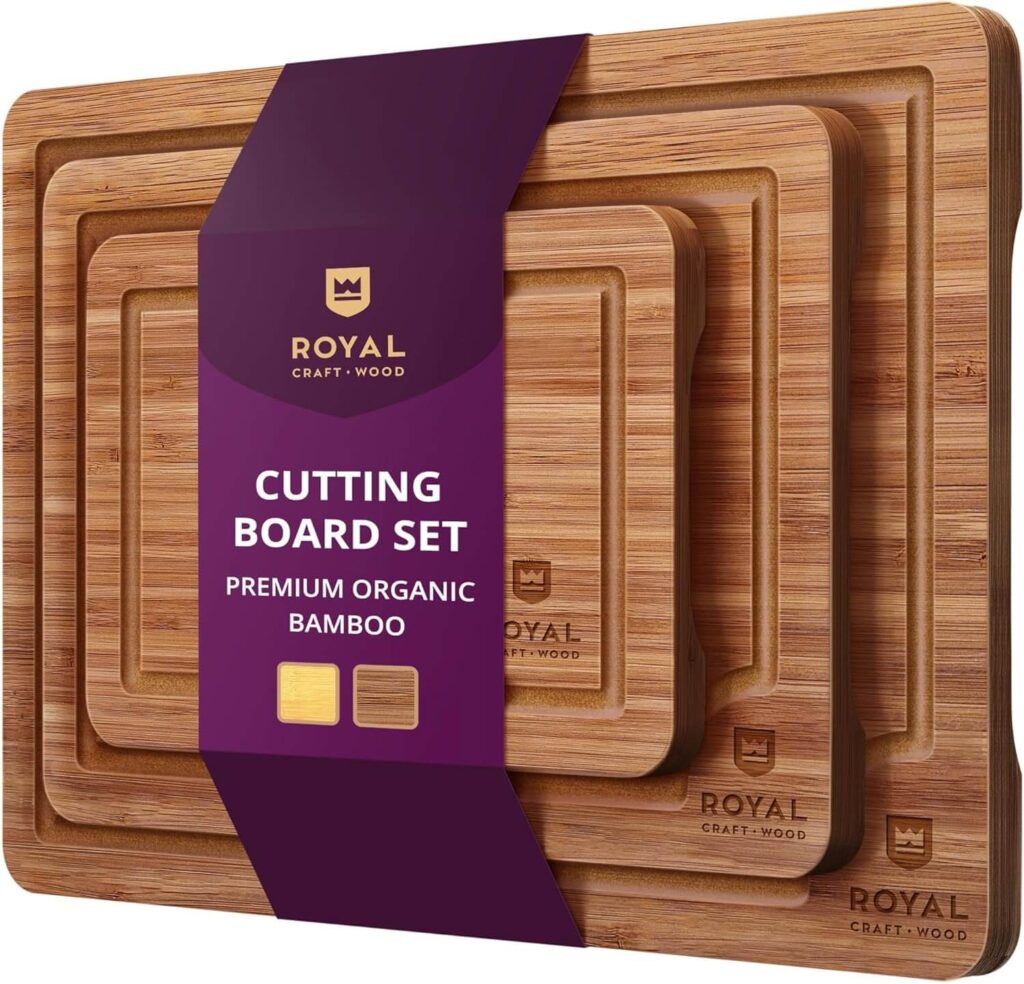
This 3-piece bamboo cutting board set (9×6”, 12×8”, & 15×10”) is perfect for chopping, prepping, or serving.
Built-in side handles make it easy to carry, while deep juice grooves catch liquids for mess-free cooking. The knife-safe, smooth bamboo surface resists scratches, stains, and odors.
Easy to clean — just hand wash and wipe. Ideal as a housewarming or Mother’s Day gift. Backed by a 1-year warranty, money-back guarantee, and 24/7 customer support.
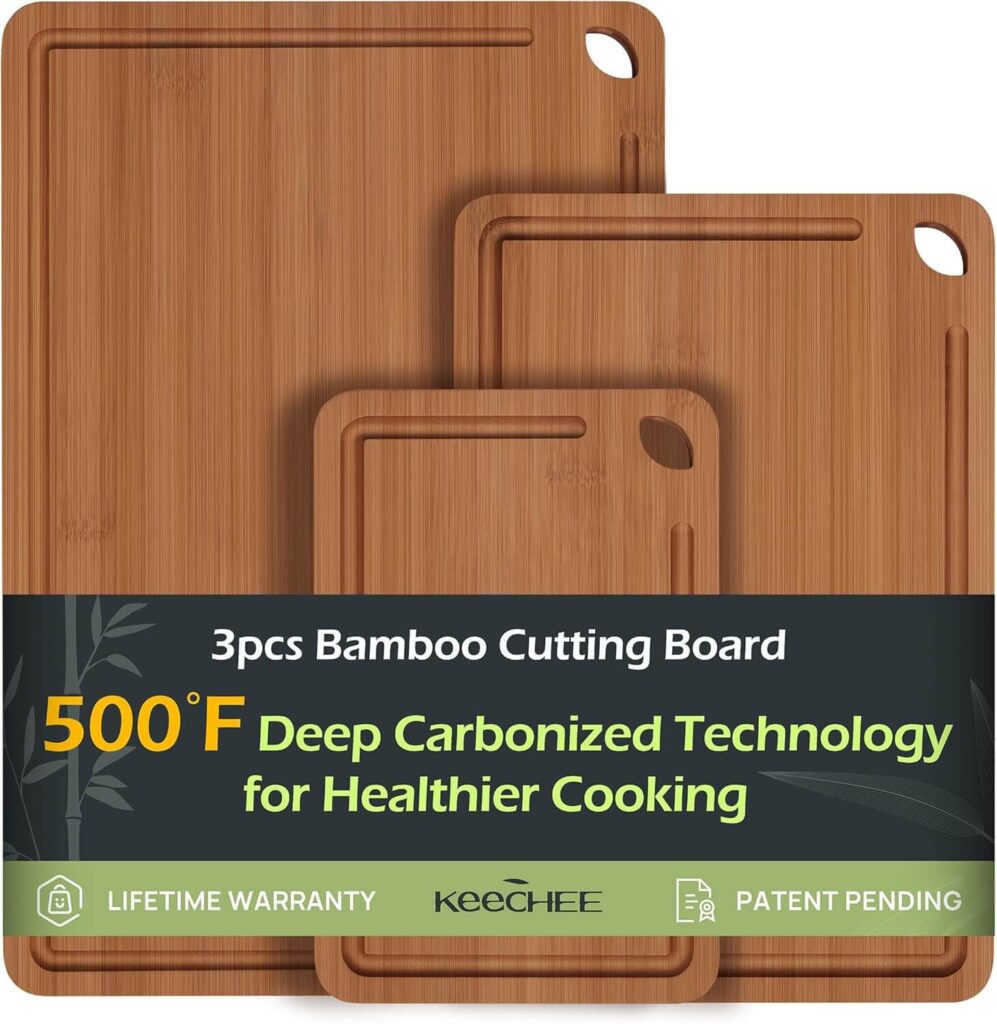
The Keechee 3-piece cutting board set (15×10″, 12×8″, 9×6″) covers all your chopping, slicing, and serving needs.
Crafted from carbonized bamboo, these boards are heat-treated for durability, rich color, and reduced moisture absorption. The cross-laminated design resists warping and cracking, while built-in handles and deep grooves ensure easy, mess-free use.
Eco-friendly, long-lasting, and easy to clean, this set is perfect for meats, fruits, vegetables, bread, and more. A sustainable, stylish choice for any kitchen.
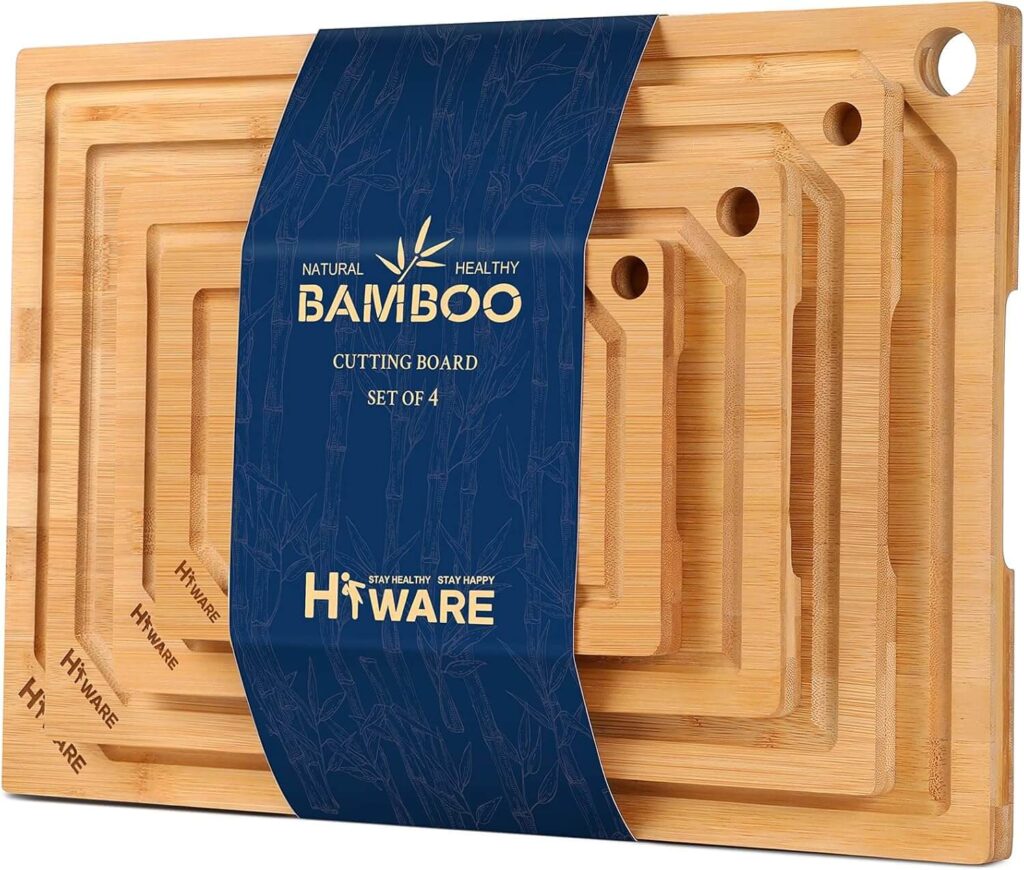
The Hiware bamboo cutting board set includes 4 boards (18″x12″, 15″x10″, 12″x8″, 9″x6″), offering more size options than most sets.
Made from FSC-certified natural bamboo, these boards are strong, durable, and food-safe. The smooth, knife-friendly surface prevents dulling and resists scratches. Built-in juice grooves catch liquids, while inner handles make carrying easy without sacrificing cutting space.
Perfect for cutting fruits, vegetables, meat, fish, bread, or serving snacks. Eco-friendly, easy to clean, and built to last.
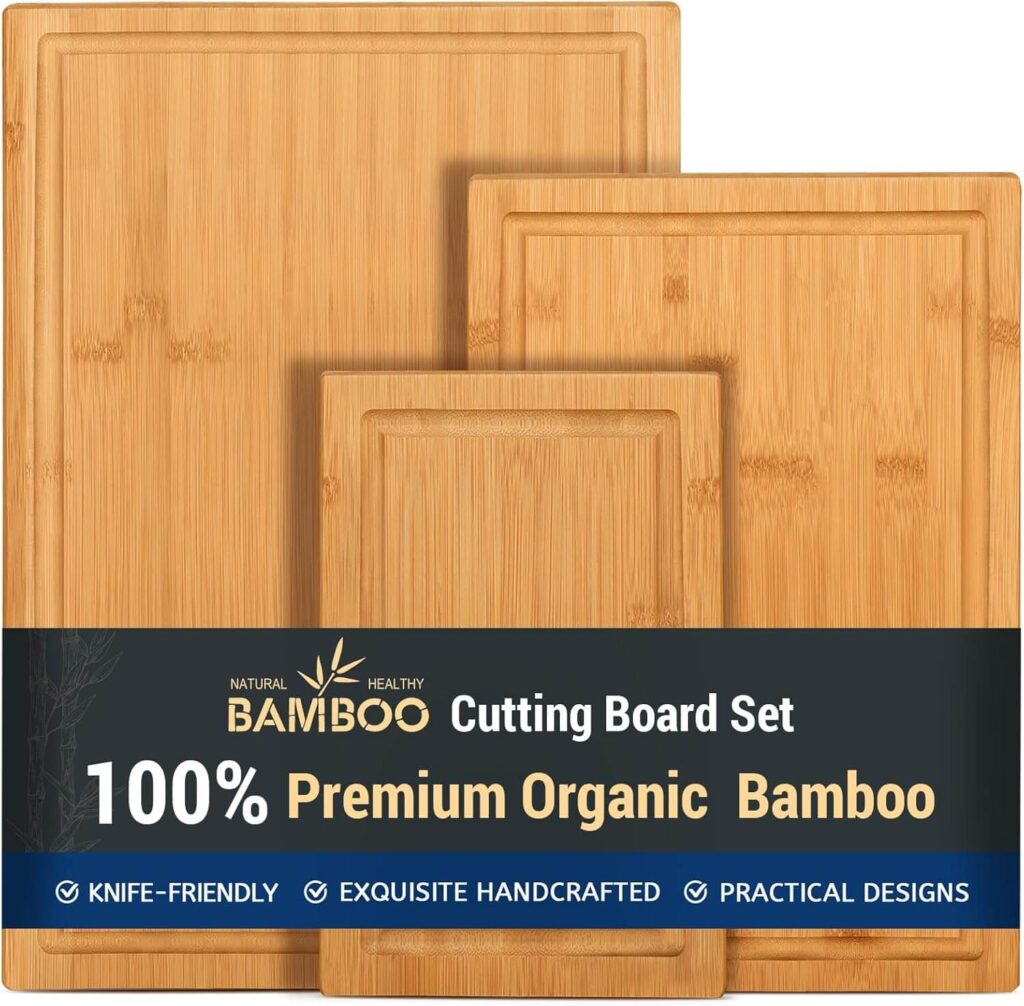
This Hiware 3-piece cutting board set (15″x10″, 12″x8″, 9″x6″) is crafted from FSC-certified natural bamboo for strength, durability, and food safety.
The smooth, knife-friendly surface protects blades while resisting scratches and stains. Built-in juice grooves catch liquids, and inner handles allow easy carrying without sacrificing cutting space.
Perfect for cutting fruits, vegetables, meat, cheese, and bread, or serving snacks. Eco-friendly, long-lasting, and easy to clean—an essential addition to any kitchen.
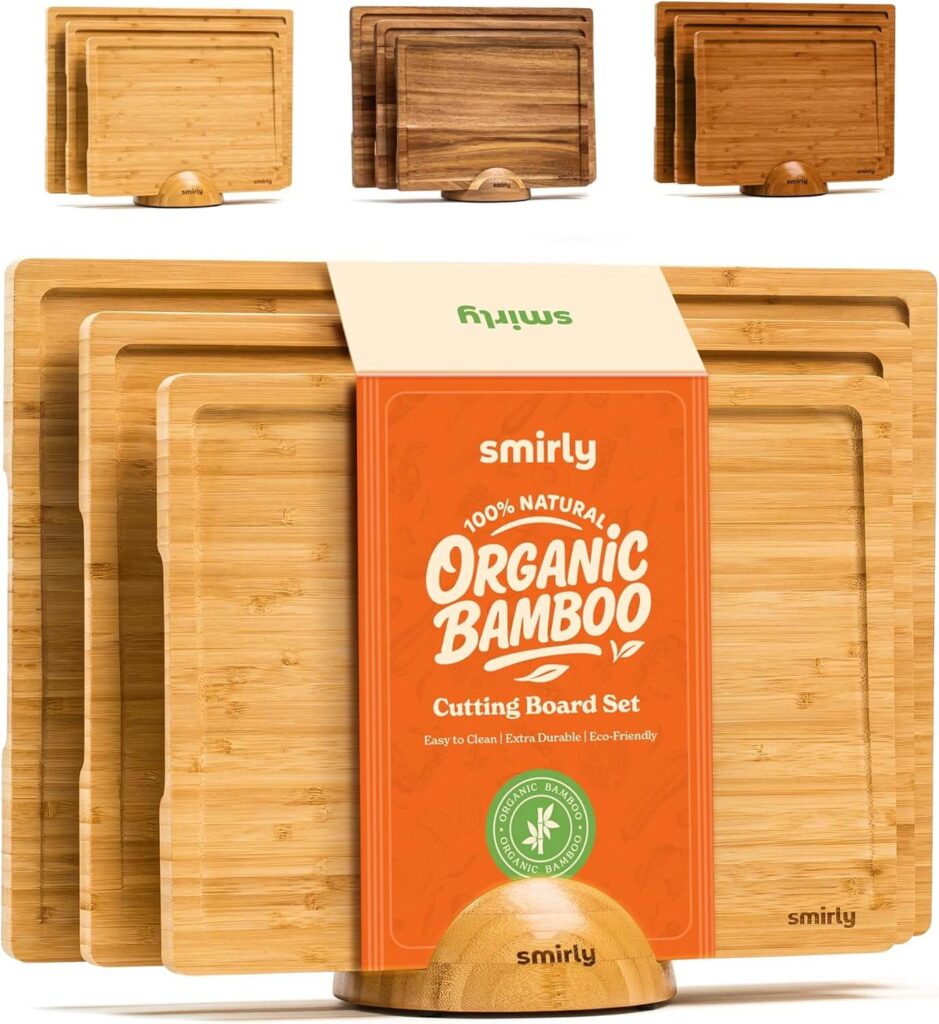
The SMIRLY bamboo cutting board set includes 3 durable boards and a convenient holder for easy storage.
Crafted from eco-friendly bamboo, these boards resist warping, odors, stains, and knife marks. Non-slip design and ergonomic handles ensure safe, comfortable use. The non-toxic, easy-to-clean surface makes food prep simple and efficient.
Perfect for chopping fruits, vegetables, meat, and more, while adding a stylish touch to your kitchen. Durable, resilient, and organized — a smart upgrade for any home cook.
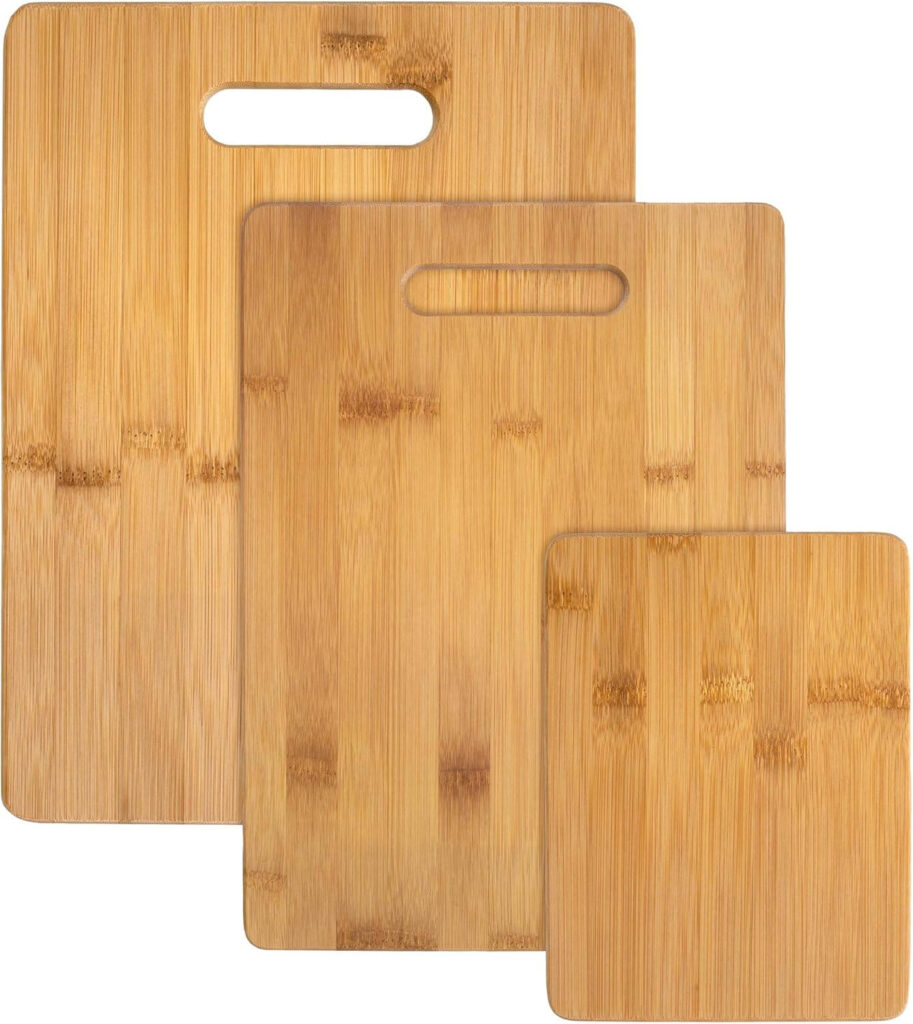
The Totally Bamboo cutting board set includes 3 sizes (13″, 11″, 8″) for all your slicing, chopping, and serving needs.
Made from durable, sustainable Moso bamboo, these boards are knife-friendly and resist damage while protecting your blades. Reversible design allows both sides to be used for prep or serving as charcuterie or cheese boards.
Lightweight, eco-friendly, and easy to clean — simply hand wash and store flat or hang. A perfect sustainable upgrade for any kitchen.
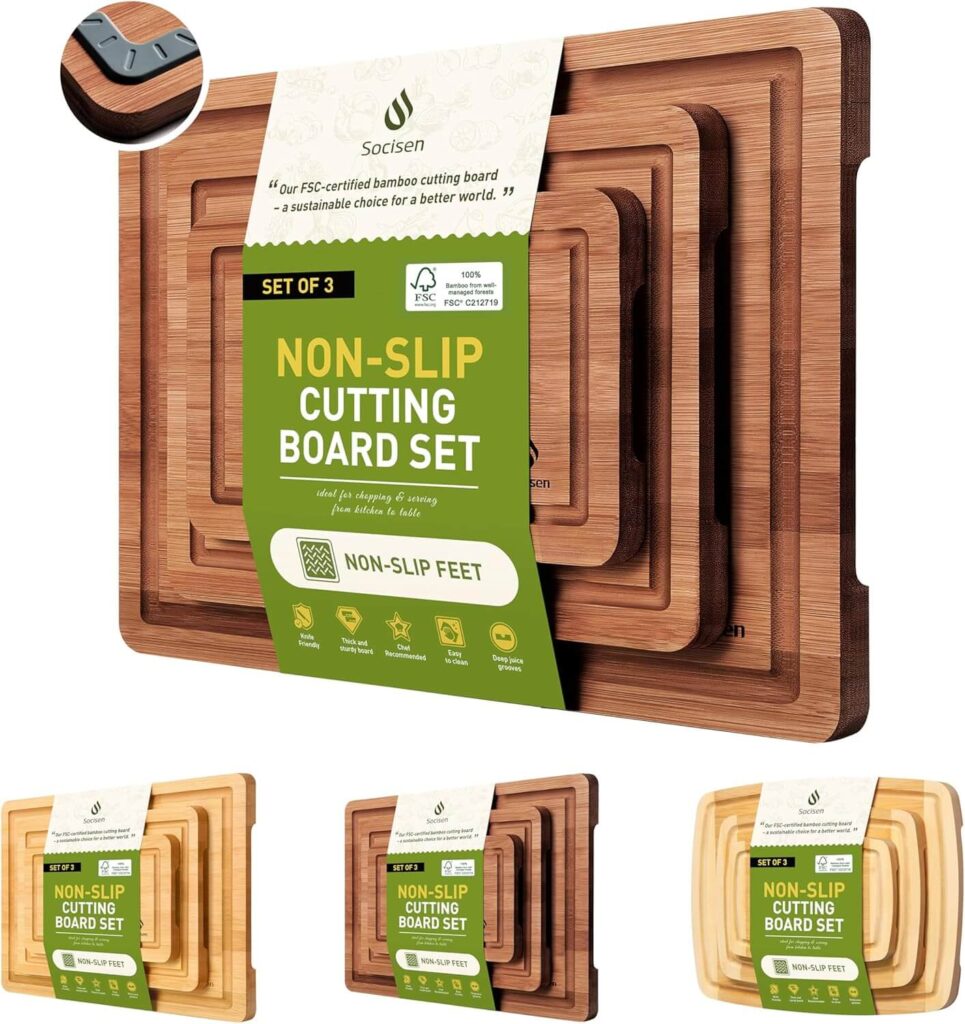
The Socisen 3-piece bamboo cutting board set (14.5″x11″, 11″x8.5″, 9″x6″) offers versatile sizes for all your kitchen tasks.
Made from FSC-certified, eco-friendly bamboo, these boards are food-safe, durable, and gentle on knives. Non-slip rubber feet ensure stability during use, while built-in handles allow easy transport. Deep juice grooves catch liquids, keeping your counters clean. The smooth, crack-free surface resists warping, splinters, and stains.
Perfect for cutting meats, vegetables, fruits, cheese, and bread — a safe, sustainable addition to any kitchen.
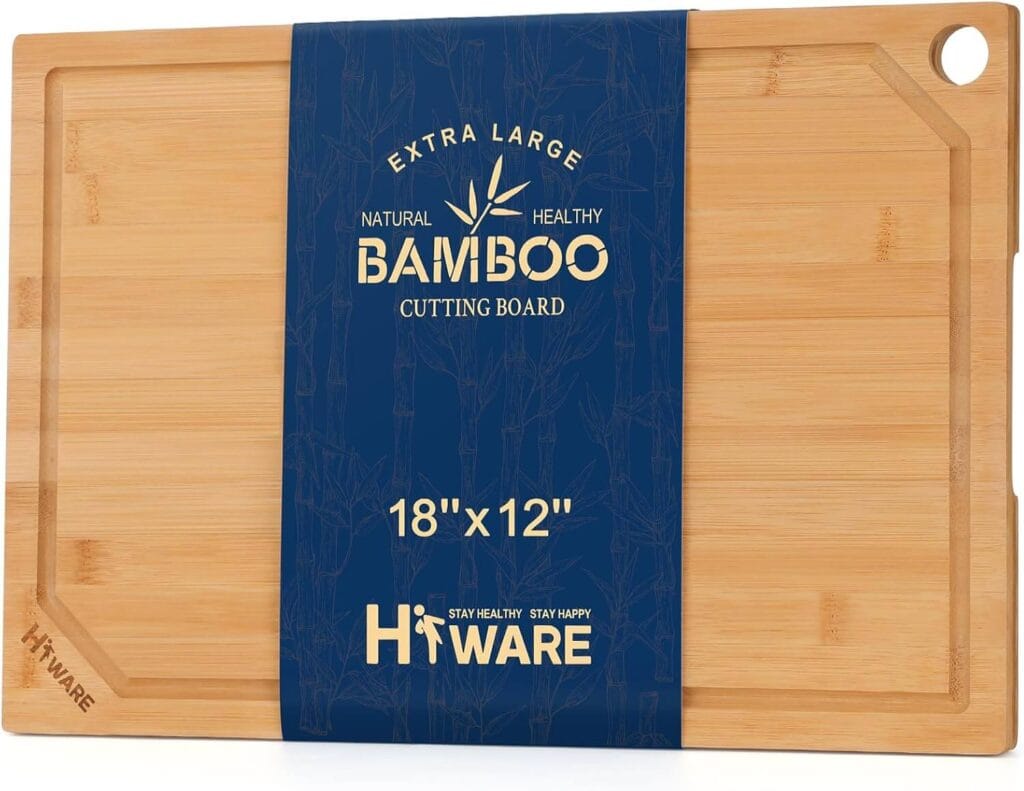
The Hiware large bamboo cutting board (18″x12″) offers extra space for all your chopping, slicing, and serving needs.
Made from FSC-certified, natural bamboo, it’s strong, food-safe, and eco-friendly. The smooth, knife-friendly surface prevents dulling and resists scratches. Built-in juice grooves catch excess liquids, while inner handles make carrying and serving easy.
Durable, lightweight, and easy to clean, this board is perfect for cutting meat, fish, fruits, vegetables, cheese, and bread — a sustainable, practical kitchen essential.
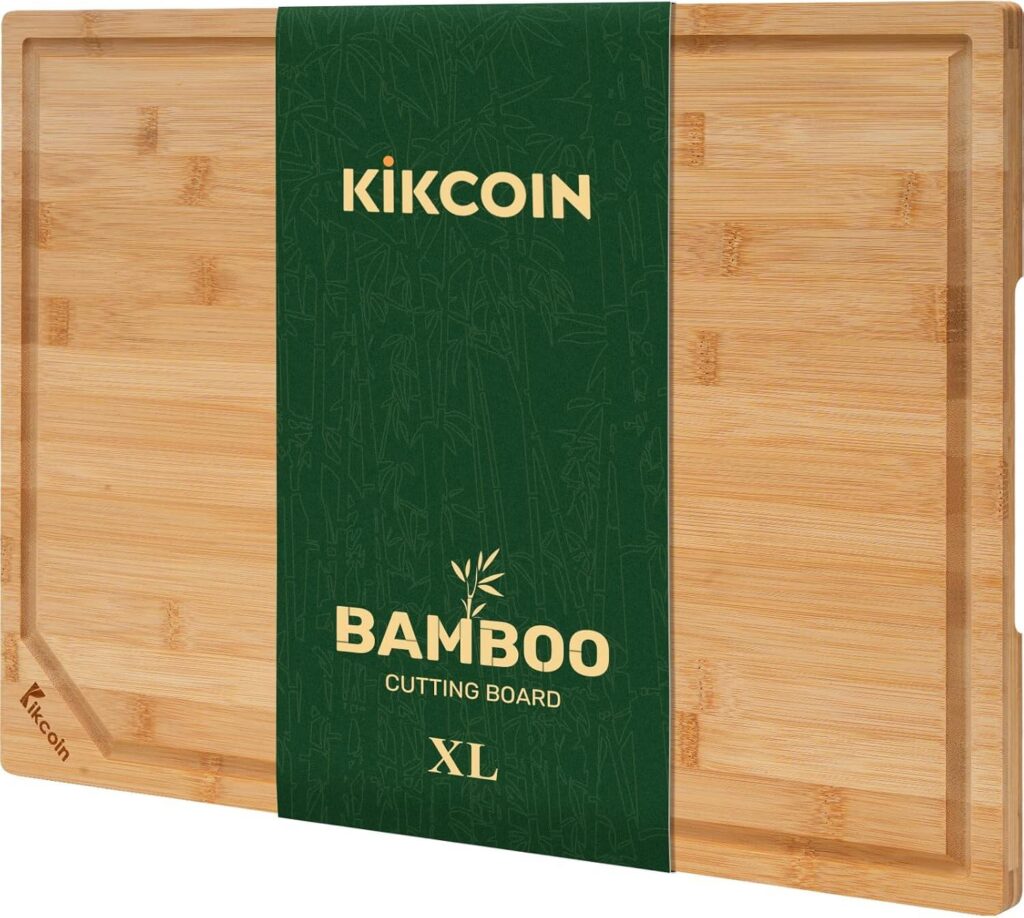
Made from 100% natural bamboo, the Kikcoin cutting board features a smooth, polished surface treated with food-grade oil for durability and no cracks.
Its reversible design lets you use both sides to separate raw and cooked foods, while the deep juice groove keeps your countertop clean. The built-in handle allows easy lifting without taking extra space.
Perfect for chopping meat, fruits, and serving cheese or charcuterie. An excellent gift for holidays, housewarmings, and special occasions.
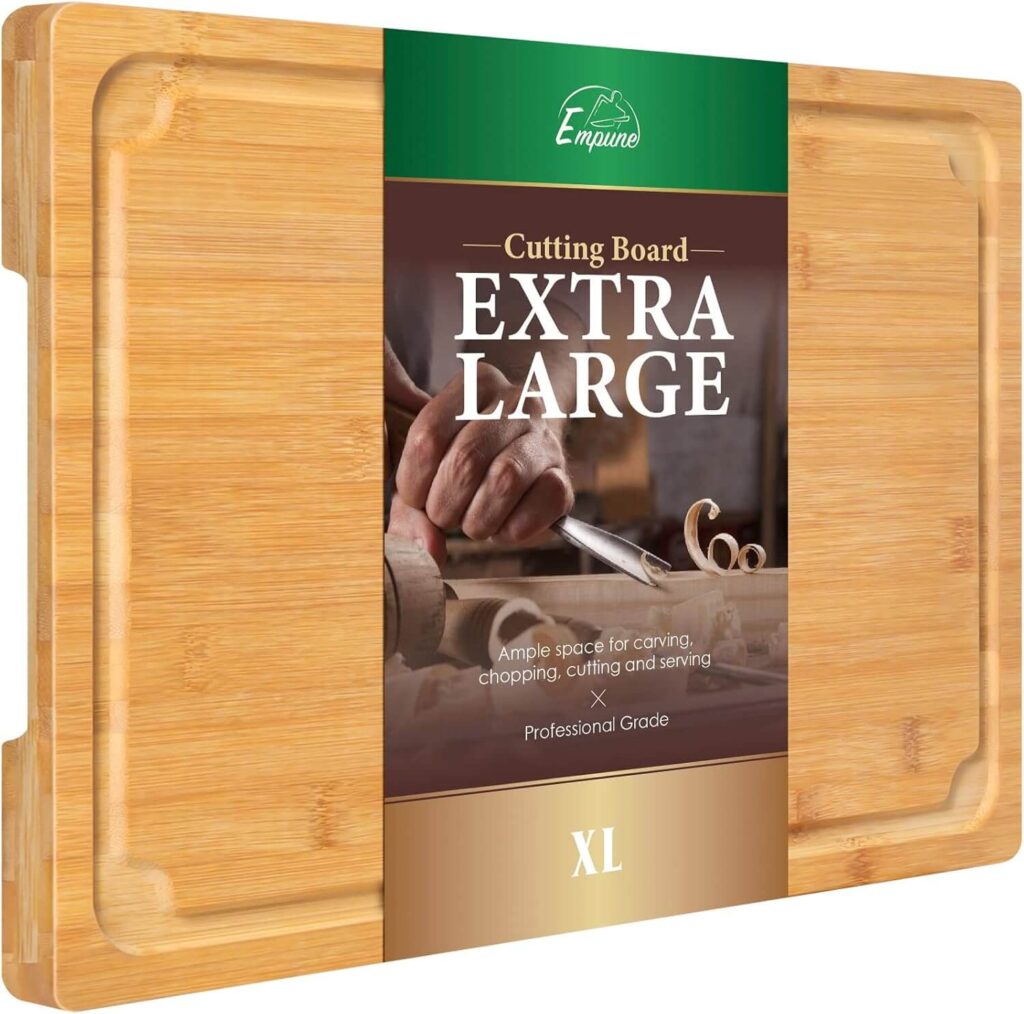
Crafted from durable bamboo, the Empune cutting board offers a smooth yet knife-friendly surface that protects your blades.
Featuring built-in side handles, it’s easy to carry and doubles as an elegant serving tray for cheese, bread, and more. The built-in juice groove catches excess liquids, keeping your countertop clean.
Resistant to stains and easy to maintain, this bamboo board combines functionality and style for everyday kitchen use. Simple hand wash and occasional oil treatment preserve its natural beauty and longevity.
The Eco-Friendly Choice for Modern Kitchens
Environmental consciousness has become a significant factor influencing purchasing decisions. When it comes to cutting boards, bamboo stands out as one of the most sustainable options available. Unlike hardwood trees, which take decades to mature, bamboo grows incredibly fast. Some species can grow up to 35 inches in a single day!
This rapid growth rate means that bamboo forests can be harvested more frequently without causing deforestation or damaging ecosystems. Additionally, bamboo plants regenerate naturally without the need for replanting, making it a self-sustaining resource. That’s a big win for the environment.
Beyond the sustainability factor, bamboo cutting boards are often produced using minimal chemical treatments. Many manufacturers ensure that their bamboo is harvested responsibly and processed without toxic glues or dyes, offering a cleaner, safer product for consumers.
For those who want to reduce their carbon footprint while still enjoying high-quality kitchen tools, bamboo cutting boards present an ideal solution. By choosing bamboo, you’re not just investing in a durable cutting board—you’re making a small but meaningful choice that contributes to a healthier planet.
Benefits of Using Bamboo Cutting Boards
Durability and Strength
When you’re slicing, dicing, and chopping daily, your cutting board takes a beating. Bamboo cutting boards shine in this department thanks to their impressive durability. Made from densely packed fibers, bamboo offers a hardness rating of about 1,380 lbf (pounds-force) on the Janka scale. In simple terms, that makes bamboo harder than many hardwoods, including maple and oak.
This hardness translates into several practical benefits. For starters, bamboo cutting boards are far less prone to developing deep grooves where bacteria can hide. Shallow, surface-level cuts are much easier to clean and sanitize, ensuring that your board stays hygienic for longer.
Moreover, the structural integrity of bamboo means that it resists warping and cracking better than traditional wooden boards. Wooden boards, especially if they’re not properly cared for, can expand and contract with changes in moisture levels, leading to splits over time. Bamboo’s naturally tight grain structure makes it more stable, even in fluctuating humidity conditions often found in kitchens.
Durability also means better value for your money. While bamboo cutting boards may carry a slightly higher upfront cost than plastic alternatives, their longer lifespan often makes them the more economical choice in the long run. With proper care, a bamboo cutting board can serve you well for many years, saving you from frequent replacements.
Naturally Antimicrobial Properties
Hygiene is a top concern when it comes to anything that comes into contact with raw meat, fruits, and vegetables. Bamboo cutting boards offer a surprising advantage in this area, thanks to their naturally antimicrobial properties.
Bamboo contains a substance called “bamboo kun,” which helps prevent the growth of bacteria and fungi within the plant itself. This natural defense mechanism carries over into bamboo products like cutting boards, providing an added layer of protection against microbes.
While it’s still essential to practice proper sanitation—like washing your board after each use and thoroughly drying it—the presence of these antimicrobial properties gives bamboo cutting boards a slight edge over some other materials. This can give you peace of mind, especially when handling raw poultry, fish, or other high-risk foods.
Of course, it’s important to remember that no cutting board is completely bacteria-proof. Regular cleaning, proper storage, and occasional oiling are still necessary to maintain the board’s integrity and hygiene. But knowing that bamboo has a bit of built-in protection adds to its appeal for many health-conscious consumers.
Gentle on Knives
Knife maintenance can be an expensive affair if you’re constantly sharpening dull blades or replacing chipped knives. Fortunately, bamboo cutting boards strike a sweet spot between being hard enough to resist deep gouges yet soft enough to protect your knife edges.
Unlike glass or ceramic cutting boards, which can quickly dull or even chip your knives, bamboo provides just enough give to cushion each slice. This helps maintain your knife’s sharpness over time, reducing the frequency of sharpening and extending the life of your blade.
Compared to some hardwood boards, bamboo’s tight grain structure also minimizes knife marks and cross-grain tearing, keeping both the board and your knives in better condition. This makes bamboo an excellent option for both home cooks and professional chefs who rely on consistently sharp tools for precision cuts.
By choosing bamboo, you’re not just investing in a quality cutting surface; you’re also protecting your valuable kitchen knives, ultimately saving time and money in maintenance and replacements.
Comparing Bamboo with Other Cutting Board Materials
Bamboo vs. Plastic Cutting Boards
Plastic cutting boards are often the go-to for many kitchens due to their low price, lightweight feel, and dishwasher-safe design. But when compared to bamboo, the trade-offs become more apparent.
On the surface, plastic boards may seem more convenient. You can toss them in the dishwasher, and they’re generally lightweight. However, plastic boards are prone to developing deep grooves over time, especially from sharp knives. These grooves can harbor bacteria, making them harder to sanitize effectively, even in a dishwasher.
Bamboo cutting boards, with their dense, hard surface, are less likely to develop these deep crevices. Their antimicrobial properties also provide an extra layer of defense against bacteria. Plus, bamboo’s eco-friendly nature contrasts sharply with plastic, which contributes to landfill waste and pollution.
Another consideration is aesthetics. Bamboo boards offer a natural, elegant look that plastic boards simply can’t match. They add a warm, organic touch to your kitchen, while plastic often looks utilitarian or cheap.
Cost-wise, while bamboo cutting boards may have a slightly higher initial price, their longevity and durability often make them more cost-effective over time. And let’s not forget the environmental cost savings that come with choosing a renewable material like bamboo.
Bamboo vs. Wooden Cutting Boards
When people consider natural cutting boards, the main comparison often comes down to bamboo vs. traditional wood. Both offer a level of craftsmanship and durability that plastic or glass simply can’t match, but there are key differences worth noting.
Wooden cutting boards, particularly those made from hardwoods like maple, walnut, or cherry, have long been favored by professional chefs for their excellent knife-friendliness. The softer surface of hardwood boards means that knives stay sharper longer. However, this softness also means that wooden boards can develop deep knife grooves more easily, which may require regular resurfacing or sanding to maintain a hygienic surface.
Bamboo, being slightly harder than most traditional hardwoods, resists these deep cuts more effectively. The dense fibers minimize the depth of knife marks, reducing the chance of bacteria finding a home in your board. This makes bamboo somewhat easier to maintain in terms of sanitation, especially for busy home cooks who may not want to invest time in board resurfacing.
Another important difference lies in environmental impact. Hardwood trees take decades to mature. Harvesting them contributes significantly to deforestation if not managed sustainably. Bamboo, on the other hand, grows incredibly fast and regenerates naturally, making it a far more renewable resource.
In terms of maintenance, both require periodic oiling to prevent drying and cracking. Wooden boards may demand more attention because they’re more prone to warping when exposed to moisture. Bamboo’s resistance to moisture makes it a bit more forgiving in that respect.
Aesthetically, both materials are beautiful, though bamboo offers a more uniform, modern appearance with its clean lines and light hues, while traditional wood provides rich, varied grain patterns that feel rustic and timeless. Your choice often comes down to personal preference, environmental values, and how much maintenance you’re willing to handle.
Bamboo vs. Glass Cutting Boards
Glass cutting boards might catch your eye with their sleek design and easy-to-clean surface, but when it comes to practicality, they often fall short—especially when compared to bamboo.
The most glaring issue with glass boards is their impact on knives. Glass is an extremely hard surface that offers zero give when slicing. Every time your knife makes contact, it risks dulling the blade almost instantly. Over time, this leads to excessive sharpening, or worse, expensive blade replacements. Bamboo, on the other hand, offers a balance—it’s hard enough to resist deep cuts but soft enough to protect your knife’s edge.
Glass boards are also notoriously slippery, making them a potential hazard, especially when cutting moist or oily ingredients. A bamboo cutting board offers more stability, reducing the risk of accidents.
From a hygiene standpoint, glass does have one advantage—it’s nonporous and won’t absorb liquids or odors. But bamboo holds its own with its natural antimicrobial properties and proper maintenance practices, ensuring it stays safe and sanitary for years.
Aesthetically, bamboo delivers a warm, organic feel that many homeowners prefer for their kitchen decor, while glass often looks cold and clinical. Finally, consider the noise factor. Chopping on glass produces a harsh, clattering sound that can quickly become grating, while bamboo offers a softer, more pleasant chopping experience.
In almost every practical category—knife safety, stability, comfort, aesthetics, and environmental impact—bamboo cutting boards outshine their glass counterparts.
How to Choose the Best Bamboo Cutting Board
Size and Thickness Considerations
Choosing the right size and thickness for your bamboo cutting board largely depends on your cooking habits, kitchen space, and personal preferences. There’s no one-size-fits-all answer, but understanding your needs can help you make the right decision.
If you regularly cook large meals or work with whole chickens, roasts, or big vegetables like pumpkins, you’ll appreciate a large cutting board—something at least 18 by 24 inches. A larger surface area gives you ample room to chop, slice, and prep without constantly moving ingredients around or risking spillage.
However, large boards can be heavy and may not fit in smaller kitchens or tight storage spaces. If you have limited counter space, a medium-sized board (around 12 by 18 inches) might be more practical for everyday use. For quick tasks like slicing fruit or chopping herbs, smaller boards (8 by 10 inches) can be handy for convenience and easy cleanup.
Thickness is equally important. A thicker board (at least 1 inch thick) offers more stability and durability. Thicker boards are less likely to warp or crack over time, especially when exposed to moisture and heavy use. They also stay put better on your countertop, reducing the chance of slips.
Thinner boards (under ¾ inch) are lighter and easier to handle but may not last as long with heavy daily use. They are more prone to warping if not dried properly after washing.
Ultimately, consider investing in more than one bamboo cutting board of varying sizes. Having a selection allows you to choose the right board for the task at hand, whether you’re slicing bread, prepping vegetables, or carving a turkey.
End-Grain vs. Edge-Grain Bamboo Boards
When shopping for bamboo cutting boards, you’ll often come across terms like “end-grain” and “edge-grain.” Understanding the difference can help you make a more informed decision.
Edge-grain bamboo boards are the most common and affordable option. They’re made by aligning long bamboo strips side by side, creating a strong, durable surface with a consistent appearance. Edge-grain boards resist warping and are relatively easy to maintain. They tend to be lighter and more budget-friendly, making them perfect for everyday home use.
End-grain bamboo boards, though less common, offer a premium experience. In end-grain boards, the bamboo fibers are arranged so that the cut ends face upward. This design creates a unique checkerboard pattern that is visually appealing and highly functional.
The main advantage of end-grain boards lies in their “self-healing” nature. When you slice into the board, the fibers separate rather than sever. Once you remove your knife, the fibers close back together, minimizing visible cuts and extending the board’s lifespan. This makes end-grain boards even more knife-friendly than edge-grain ones.
However, end-grain boards are usually heavier and come with a higher price tag due to the more complex manufacturing process. They also require a bit more maintenance to keep the intricate fiber structure healthy and prevent cracking.
If you cook frequently and want the best balance of durability, knife safety, and aesthetics, an end-grain bamboo board is a worthwhile investment. For casual home cooks who prioritize affordability and ease of use, edge-grain bamboo boards are more than sufficient.
Single-Piece vs. Laminated Bamboo Boards
When selecting a bamboo cutting board, you’ll also encounter single-piece and laminated designs. Understanding the differences can help you pick a board that fits your needs and longevity expectations.
Single-piece bamboo boards are crafted from a single block or continuous piece of bamboo material. These are rare because of bamboo’s natural size limitations; most true single-piece boards tend to be smaller. They offer a seamless appearance with no glue lines, reducing the risk of delamination over time.
Laminated bamboo boards, on the other hand, are created by bonding multiple strips of bamboo together using food-safe adhesives. This is by far the most common type you’ll find on the market. Laminated boards allow manufacturers to create larger sizes and complex grain patterns that are both functional and visually appealing.
While laminated boards are very strong and durable when well-made, the quality of the adhesive used is crucial. Cheap adhesives may degrade over time or emit harmful chemicals. Look for boards that are certified food-safe, formaldehyde-free, and made with high-quality, non-toxic glues.
In terms of performance, both single-piece and laminated boards can serve you well if properly maintained. Laminated boards tend to offer better size variety and design options, while single-piece boards offer a seamless, pure bamboo surface that some purists prefer.
Proper Care and Maintenance of Bamboo Cutting Boards
Cleaning and Sanitizing Bamboo Boards
Proper cleaning is crucial to maintain the longevity and hygiene of your bamboo cutting board. While bamboo’s dense structure and antimicrobial properties offer some natural protection, regular maintenance ensures your board remains safe for food prep.
Start by washing your bamboo cutting board immediately after each use. Use warm water, a mild dish soap, and a soft sponge or cloth. Avoid using abrasive scouring pads or steel wool, as they can scratch the surface and expose deeper fibers where bacteria might thrive. Never soak your bamboo board in water or leave it submerged for extended periods—bamboo is water-resistant but not waterproof, and excessive moisture can lead to warping or splitting.
After washing, thoroughly dry your cutting board with a clean towel. Let it air-dry completely before storing to prevent moisture from being trapped between surfaces, which could cause mold or mildew over time.
For sanitizing, especially after cutting raw meat or fish, use a mixture of white vinegar and water or a diluted bleach solution (one tablespoon of bleach to one gallon of water). Wipe the surface down thoroughly, rinse, and dry immediately. Alternatively, lemon juice mixed with coarse salt can help both sanitize and deodorize your board naturally.
If your board develops any stubborn stains or odors, sprinkle baking soda on the surface and scrub gently with a damp sponge. This not only lifts stains but also neutralizes unpleasant smells.
Oiling Your Bamboo Board: Why and How
One of the most important aspects of bamboo cutting board care is regular oiling. Even though bamboo is more resistant to moisture than hardwood, oiling keeps the surface conditioned, prevents drying and cracking, and prolongs the board’s life.
Use a food-grade mineral oil or specialized cutting board oil—avoid using cooking oils like olive or vegetable oil, as they can go rancid over time. Apply a generous amount of oil to the entire surface of the board using a clean cloth or paper towel. Allow the oil to soak in for at least a few hours (or overnight if possible), then wipe off any excess with a dry cloth.
How often should you oil your board? For new boards, oil it once a week for the first month to build up a protective barrier. After that, monthly oiling is usually sufficient for most home cooks. If you notice the surface starting to feel dry, rough, or look dull, that’s your cue to apply more oil.
In addition to mineral oil, you can also use a combination of oil and beeswax for an even more water-resistant finish. Beeswax-based conditioners provide a protective top layer that helps repel moisture and keep your board looking beautiful.
What to Avoid When Caring for Bamboo Boards
Bamboo cutting boards are quite durable, but improper care can significantly shorten their lifespan. Here are key things you should avoid:
- Dishwasher use: Never put your bamboo cutting board in the dishwasher. The high heat and prolonged moisture exposure can warp, crack, or delaminate the board.
- Prolonged soaking: Even a short soak can allow water to penetrate the bamboo fibers, leading to swelling or splitting.
- Harsh chemicals: Avoid strong detergents, bleach (unless heavily diluted), or any harsh cleaners that can strip the board’s natural oils or degrade the adhesives used in laminated boards.
- Excessive heat exposure: Don’t leave your bamboo board near a stove or direct sunlight for long periods. Heat can dry out the bamboo and lead to cracking or warping.
- Ignoring knife marks: While bamboo is resistant to deep cuts, eventually shallow grooves may appear. If your board develops noticeable grooves, lightly sanding the surface with fine-grit sandpaper can smooth it out. Always re-oil after sanding.
By following these simple but essential care tips, you’ll keep your bamboo cutting board functional, hygienic, and attractive for many years.
Common Myths and Misconceptions About Bamboo Cutting Boards
Are Bamboo Boards Bad for Knives?
One of the most common misconceptions is that bamboo cutting boards are too hard and will damage knives. While it’s true that bamboo is harder than many traditional hardwoods, it’s still significantly softer than materials like glass or marble.
The key is understanding the balance bamboo strikes. Bamboo’s hardness rating is high enough to resist deep cuts and scratches, but its fine-grained, smooth surface provides just enough give to protect the edge of your knives. Professional chefs and home cooks alike often prefer bamboo because it doesn’t dull blades as quickly as glass or ceramic boards.
However, not all bamboo boards are created equal. Some cheap, poorly manufactured boards use substandard adhesives or uneven grain structures that can behave differently and be harder on knives. Investing in a high-quality, well-made bamboo board ensures the best combination of durability and knife friendliness.
In general, with proper technique and regular maintenance, bamboo cutting boards are a safe and reliable surface that won’t cause undue wear on your knives.
Is Bamboo Truly Eco-Friendly?
Another widespread myth concerns the sustainability of bamboo. While bamboo is widely marketed as an eco-friendly material, some critics question whether all bamboo products truly live up to this label.
The truth lies in how the bamboo is harvested and processed. Bamboo itself is one of the most renewable resources on earth. Its fast growth rate, ability to regenerate without replanting, and minimal need for pesticides or fertilizers make it inherently sustainable.
However, some bamboo cutting boards are manufactured using adhesives or processing methods that involve chemicals harmful to the environment and potentially to your health. To ensure you’re buying a genuinely eco-friendly product, look for certifications such as FSC (Forest Stewardship Council) certification, which indicates responsible harvesting and processing.
Furthermore, by choosing a long-lasting bamboo cutting board over disposable plastic or fast-wearing alternatives, you’re contributing to waste reduction and sustainable consumer habits. When sourced and made responsibly, bamboo is one of the most environmentally friendly materials available for kitchenware.
Top Brands and Products to Consider
Reviews of Popular Bamboo Cutting Boards
With so many options on the market, choosing the right bamboo cutting board can be overwhelming. Here are a few highly regarded brands known for their quality craftsmanship and eco-friendly manufacturing processes:
- Totally Bamboo
Known for their beautiful design and commitment to sustainability, Totally Bamboo offers a wide range of sizes and styles. Their original series boards are made from Moso bamboo and are certified food-safe. - Greener Chef
This brand offers professional-grade cutting boards that are thick, durable, and formaldehyde-free. Greener Chef is known for using organic bamboo and eco-friendly adhesives. - ROYAL CRAFT WOOD
Royal Craft Wood bamboo cutting boards are popular for their extra-thick construction, deep juice grooves, and attractive grain patterns. They also offer multipack sets, providing excellent value. - Ziruma Bamboo
Ziruma stands out for their use of all-natural, chemical-free materials. Their boards are treated with organic oils and beeswax, offering an ultra-safe surface for food prep. - OXO Good Grips Bamboo
Trusted by many for their ergonomic design, OXO’s bamboo cutting boards feature nonslip edges and excellent durability.
What Real Users Are Saying
Most customer reviews for high-quality bamboo cutting boards highlight several consistent themes:
- Durability: Users frequently comment on how well their bamboo boards have held up over months or years of regular use.
- Aesthetic appeal: Many appreciate the modern, warm look bamboo adds to their kitchen.
- Knife protection: Positive reviews often mention that bamboo boards seem gentler on knives than expected.
- Easy maintenance: Reviewers appreciate the simple cleaning and oiling routines needed to keep their boards in good shape.
However, some users who purchased cheaper, poorly made boards have experienced issues with splitting or warping, reinforcing the importance of choosing a trusted brand that uses high-quality materials and proper construction techniques.
Creative Uses for Bamboo Cutting Boards
Serving Trays and Charcuterie Boards
Bamboo cutting boards aren’t limited to just slicing and dicing. Thanks to their sleek appearance and natural warmth, many people repurpose bamboo boards as serving trays or charcuterie boards, especially for casual gatherings or elegant dinner parties.
Their smooth, polished surface provides a beautiful canvas for arranging a variety of appetizers—think sliced cheeses, cured meats, crackers, fresh fruits, and nuts. Unlike traditional plastic or glass serving platters, a bamboo board adds an organic, rustic charm that elevates the entire presentation. Guests often find these setups far more inviting and cozy.
Additionally, bamboo’s lightweight yet sturdy construction makes it easy to carry from kitchen to table, even when loaded with food. Many boards come with built-in juice grooves, which can conveniently double as dividers when presenting dips or spreads.
Some bamboo boards are specifically designed for entertaining and come with built-in compartments, cheese knives, or sliding drawers for utensils. This versatility means you get more value out of your purchase—not just a cutting board, but also a multipurpose serving piece perfect for social events.
DIY Projects Using Old Bamboo Boards
Even the most well-maintained bamboo cutting boards may eventually show signs of wear and tear. Rather than throwing them out, consider upcycling your old bamboo board into something useful or decorative around your home.
Here are a few creative ideas:
- Kitchen wall decor: Sand and oil the board, then mount it on your kitchen wall as a rustic backdrop for hanging utensils or small kitchen tools.
- Tablet or cookbook stand: With a few basic hardware additions, you can transform your old board into a sturdy stand for your tablet or cookbook, perfect for following recipes while cooking.
- Plant stands or trivets: Smaller boards or broken pieces can be cut and repurposed as heat-resistant trivets or stands for indoor plants.
- Serving platters: Lightly sand down any knife marks, oil the board, and reuse it as a rustic serving platter for bread, desserts, or appetizers.
- Craft projects: Bamboo is an excellent material for various small DIY projects—picture frames, coasters, or even decorative wall art.
Reusing old bamboo boards not only gives them a second life but also supports a sustainable, zero-waste lifestyle.
Conclusion
Bamboo cutting boards have rightfully earned their place in kitchens around the world, offering a perfect combination of durability, sustainability, aesthetics, and ease of maintenance. They strike a unique balance that makes them suitable for everyday home cooks and professional chefs alike.
Their natural antimicrobial properties provide peace of mind for food safety, while their dense, smooth surface protects your knives from premature dulling. When compared to plastic, glass, or even traditional wood boards, bamboo often emerges as the smarter choice—not just for your kitchen, but for the environment as well.
By following simple maintenance practices like proper cleaning, regular oiling, and careful handling, your bamboo cutting board can serve you for many years. And even when it reaches the end of its life as a cutting board, it can easily be repurposed into something useful and beautiful.
Whether you’re buying your first cutting board or considering an upgrade, bamboo is a fantastic investment. It’s functional, attractive, and environmentally responsible—a true kitchen staple that keeps on giving.
FAQs
Q1: Can I cut raw meat on a bamboo cutting board?
Yes, you can cut raw meat on a bamboo cutting board. Just make sure to thoroughly clean and sanitize it immediately after use to prevent cross-contamination.
Q2: How often should I oil my bamboo cutting board?
For new boards, oil once a week for the first month. After that, monthly oiling is typically sufficient, or whenever the board appears dry or dull.
Q3: Is bamboo better than plastic for cutting boards?
Bamboo is generally better for the environment, offers natural antimicrobial properties, resists deep grooves, and is gentler on knives compared to plastic cutting boards.
Q4: Why is my bamboo cutting board cracking?
Cracking usually happens due to excessive moisture exposure or lack of oiling. Avoid soaking your board and keep it regularly conditioned with food-grade oil.
Q5: Can bamboo cutting boards go in the dishwasher?
No. The high heat and moisture in dishwashers can warp, crack, and damage bamboo cutting boards. Always hand-wash and dry immediately.