When you step into your kitchen, you might see a flat, metal tray sitting among your baking tools and wonder, “What exactly is a baking sheet?” If you’re curious about how it differs from other bakeware and why it’s such a must-have for your cooking adventures, you’re in the right place. A baking sheet is more than just a simple pan—it’s your secret weapon for perfectly roasted veggies, crispy cookies, and easy sheet-pan dinners.
Understanding what a baking sheet is and how to use it can completely change the way you bake and roast. Keep reading, and you’ll discover the key features that make baking sheets unique, how they differ from cookie sheets and baking pans, and why every kitchen in Austin, Texas—and beyond—needs one.
Your next delicious meal is just a baking sheet away!
:max_bytes(150000):strip_icc()/711COI4QHtL._AC_SL1500_-fee27c28c3de4cea92c34f6bf447602a.jpg)
Credit: www.seriouseats.com
Baking Sheet Basics
Baking sheets are essential tools in any kitchen. They help bake, roast, and prepare a variety of dishes. Knowing the basics of a baking sheet helps you pick the right one for your needs. Understanding its shape, material, and edge design is important. These factors affect cooking results and ease of use.
Shape And Material
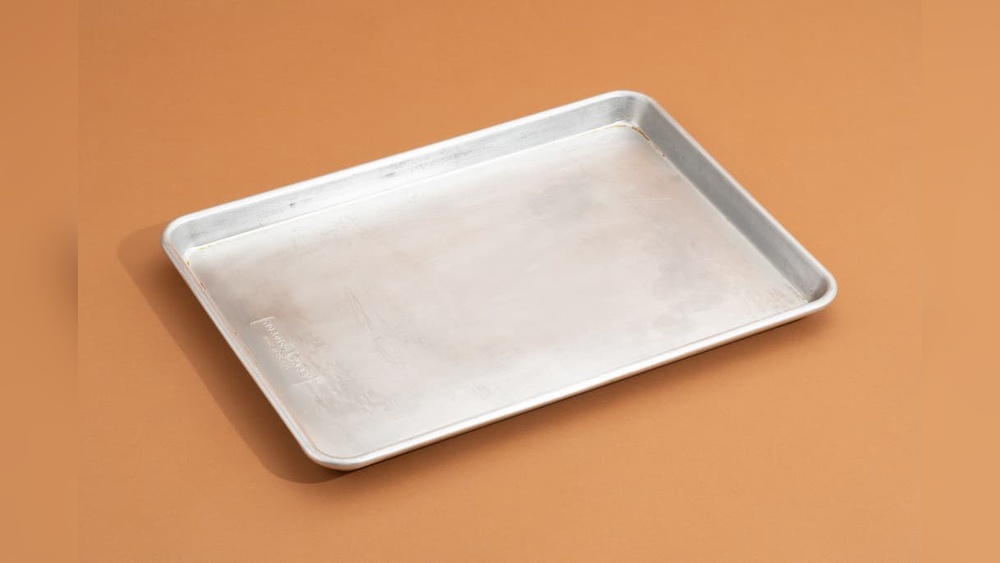
Baking sheets are usually flat and rectangular. They come in different sizes to fit various ovens. Most sheets are made from aluminum or stainless steel. Aluminum heats evenly and is lightweight. Stainless steel is durable and resists rust. Some baking sheets have a non-stick coating for easy food release. The material affects how fast and evenly food cooks.
Edge Design
Baking sheets have low edges or rims all around. This design keeps food and juices contained while baking. Some baking sheets have all four sides rimmed. These are good for roasting and sheet-pan meals. Cookie sheets often have only one raised edge. This helps slide cookies off easily. The edge design changes how you use the sheet and what foods it suits best.
Common Uses
Baking sheets are great for baking cookies and biscuits. They also work well for roasting vegetables and meats. Sheet-pan dinners use baking sheets for one-pan cooking. These sheets allow air to circulate for even cooking. Bakers use them to cool baked goods too. Their versatility makes them a must-have for many kitchen tasks.
:max_bytes(150000):strip_icc()/TeamFar_Baking_Sheet_HeroHorizontal-a11d9c2a270c4886a908ff1547dd711b.jpg)
Credit: www.thespruceeats.com
Baking Sheet Vs Baking Pan
Choosing between a baking sheet and a baking pan depends on the recipe and cooking method. Both tools serve different purposes in the kitchen. Understanding their differences helps you pick the right one for your baking or roasting needs.
Depth And Side Height
Baking sheets have shallow sides, usually less than one inch high. They have low rims on all edges to keep food from sliding off. Baking pans have deep sides, often several inches tall. These high sides hold liquids and thick batters without spilling.
Best Uses For Each
Baking sheets are great for cookies, roasting vegetables, and sheet-pan dinners. Their flat surface allows even heat and air circulation. Baking pans suit cakes, brownies, casseroles, and breads. Their deep sides contain wet batter and help shape baked goods.
Material Differences
Baking sheets are often made from aluminum or stainless steel for quick, even heating. Some have non-stick coatings for easy cleanup. Baking pans come in metal, glass, or ceramic. Metal pans heat quickly, while glass and ceramic hold heat longer but warm more slowly.
Cookie Sheet Compared
Understanding the difference between a baking sheet and a cookie sheet helps you choose the right tool. Both are popular in kitchens but serve slightly different purposes. Comparing cookie sheets to baking sheets highlights key design and function differences.
Edge Configuration
Cookie sheets usually have one or two raised edges. This design makes it easy to slide cookies off. Baking sheets have edges on all four sides. These edges help hold juices or small foods during cooking. The edge style affects how you use each sheet in the kitchen.
Purpose And Function
Cookie sheets are great for baking flat items like cookies and biscuits. Their open edges allow better airflow and easy removal. Baking sheets work well for roasting vegetables and cooking foods that release juices. They keep food contained and prevent spills in the oven.
When To Choose Cookie Sheets
Choose cookie sheets when baking cookies or biscuits that need space to spread. Their low edges help cookies brown evenly. They also work well when you want to slide baked goods onto a cooling rack. Use cookie sheets for foods that don’t release much liquid.
Types Of Baking Sheets
Baking sheets come in different types to suit various cooking needs. Each type offers unique features that help in baking and roasting. Understanding these types helps you pick the right one for your kitchen tasks. The main types include rimmed sheet pans, flat cookie sheets, and specialty materials.
Rimmed Sheet Pans
Rimmed sheet pans have low edges on all sides. These rims keep food and juices from spilling. They are perfect for roasting vegetables and baking sheet-pan meals. The rims also make it easier to handle the pan safely. These pans are sturdy and versatile for many recipes.
Flat Cookie Sheets
Flat cookie sheets have one or no raised edges. This design allows easy sliding of cookies and baked goods onto cooling racks. They are ideal for baking cookies, biscuits, and flat pastries. The flat surface ensures even heat distribution for crisp results. Handling is simple, but watch for spills as there is little to no rim.
Specialty Materials
Baking sheets come in materials like aluminum, stainless steel, and silicone. Aluminum heats evenly and is lightweight. Stainless steel is durable and resists rust. Silicone sheets are non-stick and flexible for easy food release. Each material affects cooking time and cleanup differently. Choose based on your cooking style and care preferences.
Using Aluminum Foil As A Baking Sheet
Using aluminum foil as a baking sheet offers a simple way to prepare your oven trays for cooking. Many home cooks use foil to cover baking sheets to make cleanup faster and to prevent sticking. This method works well for many types of baking and roasting tasks.
Advantages And Limitations
Aluminum foil is lightweight and easy to shape around baking sheets. It helps protect the pan from food residue and can reflect heat for even cooking. Foil is disposable, which saves washing time. It works well for roasting vegetables and baking cookies.
Limitations include foil tearing easily, especially with sharp utensils. It does not provide the same heat distribution as a metal pan alone. Some foods may stick to foil despite greasing. Foil can also crumple, causing uneven cooking surfaces.
Preparation Tips
Use a fresh sheet of foil for each baking session to avoid contamination. Smooth the foil tightly over the baking sheet to prevent wrinkles. Lightly grease the foil with oil or cooking spray to reduce sticking. Make sure to cover edges fully to protect the pan from spills.
Foods To Avoid
Avoid using foil for acidic foods like tomatoes or citrus, which can react with aluminum. Sticky or sugary foods may burn onto the foil and cause tearing. Heavy or sharp items can puncture the foil. For very wet batters, foil may not hold liquids well.
Credit: www.recipetips.com
Care And Maintenance
Proper care and maintenance keep your baking sheet in top shape. It improves performance and prevents damage. Simple habits protect its surface and extend its use. Clean it well and store it correctly. A little care goes a long way.
Cleaning Methods
Wash your baking sheet soon after use. Warm water and mild dish soap work best. Avoid harsh scrubbing pads that can scratch the surface. Use a soft sponge or cloth instead. For stuck-on food, soak the sheet in warm soapy water. Baking soda and vinegar help remove tough stains gently. Rinse thoroughly and dry with a towel to stop rust.
Storage Tips
Store baking sheets flat to prevent warping. Keep them in a dry place to avoid moisture damage. Stack sheets with a paper towel between each to stop scratches. Avoid placing heavy items on top. Use hooks or racks if space is tight. Proper storage saves space and protects your pans.
Extending Lifespan
Use parchment paper or silicone mats to avoid direct contact with food. This reduces the need for scrubbing and keeps the surface smooth. Avoid metal utensils that can scratch the coating. Do not expose the sheet to sudden temperature changes. Preheat the oven before placing the sheet inside. Regular care prevents rust and warping. Your baking sheet will last for years with simple maintenance.
Choosing The Right Baking Sheet
Picking the right baking sheet affects your cooking results. The size, material, and quality all matter. A good baking sheet makes baking easier and more enjoyable. Below are key points to consider before buying one.
Size Considerations
Choose a size that fits your oven well. Too large and it may not heat evenly. Too small limits how much you can cook at once. Standard half-sheet pans work well for most kitchens. Think about the meals you cook most often. Multiple smaller sheets can be handy for batch cooking.
Material Choices
Aluminum sheets heat evenly and are lightweight. Stainless steel is durable and resists rust but may heat unevenly. Non-stick coatings help with easy cleanup but can wear off over time. Heavy-gauge steel offers great heat conduction and lasts longer. Consider what you cook and how often to choose the best material.
Budget Vs Quality
Cheap baking sheets might warp or wear quickly. Spending a bit more usually means better heat distribution and durability. High-quality pans save money in the long run by lasting years. Look for brands with good reviews for value and performance. Balance your budget with your cooking needs for the best choice.
Frequently Asked Questions
What Is The Difference Between A Baking Sheet And A Baking Pan?
A baking pan has deep sides to hold batters for cakes or casseroles. A baking sheet is flat with low rims, ideal for cookies and roasting.
What Does A Baking Sheet Look Like?
A baking sheet is a flat, rectangular metal pan with low rims on all sides. It usually measures around 18 by 13 inches. Made of aluminum or steel, it holds food and juices while baking or roasting. Its raised edges prevent spills and allow even cooking.
Can You Use Aluminum Foil As A Baking Sheet?
Yes, aluminum foil can line a baking sheet to prevent sticking and ease cleanup. Avoid using foil alone as a baking surface.
What To Use Instead Of A Baking Sheet?
Use parchment paper or aluminum foil on a regular baking pan as a baking sheet substitute. A rimmed roasting pan works too.
Conclusion
A baking sheet is a simple, useful tool in any kitchen. It has low edges on all sides to hold food and juices. Perfect for baking cookies, roasting vegetables, or cooking sheet-pan meals. It differs from a cookie sheet by having rims all around.
This helps keep food in place while cooking. Choosing the right baking sheet makes cooking easier and more efficient. Keep one handy for many tasty recipes and easy cleanup.